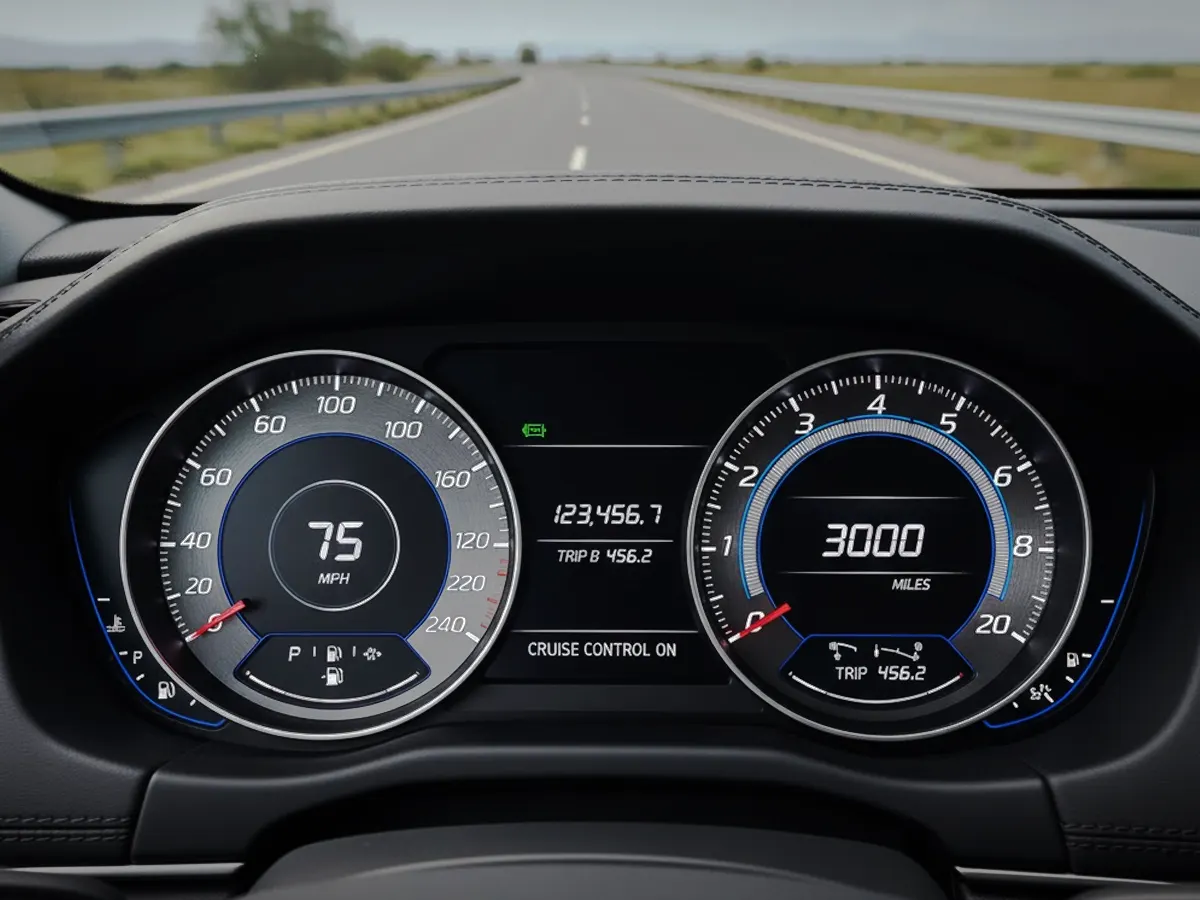
There has always been a data game in fleet management. All routes, gas tanks and maintenance schedules depend on accurate data to run your fleet management solutions the best way. Much of this is correct odometer readings, both in terms of lifetime distance, and distance from temporary resets. Odometers are used to know the distance a vehicle has traveled over a specified time by reading it at known intervals.
Although we used to have to have someone manually read the odometer, modern telematics generally make it easier to automatically record odometer miles. But no matter if it’s done manually or automatically, accurate odometer readings are key to a well-managed fleet for six major reasons.
Perform Preventative Maintenance In A Timely Manner
Vehicles can be maintained on a weekly or mileage basis. For instance, many vehicle owners will have their oil changed according to their car’s odometer reading. This means that if a vehicle has run it’s engine and rotated it’s tires over the road for a given distance that it’s in use, it gets the proper attention. Tires are inspected for safe treads, engine fluids are topped off or cycled and moving parts such as belts are checked for damage.
Whether you are driving long or short distances, having accurate odometer readings will make sure that preventative and routine maintenance is carried out for wear and tear.
Make Sure Your Trucks are Ready and Up to Code for OSHA Compliance
It’s also common to measure how long a vehicle will last in miles. To make proper planning for vehicle rotation, the long-term maintenance of the vehicle, it is necessary to maintain the correct record of the total life odometer reading. Over the half way point of their predicted mileage, these cars will be likely to be cycled to lighter usage, sold off, or returned to the leasing company for newer cars. Misreadings of the odometer can cause extended life of the vehicle or premature cycling – a loss in efficiency at both ends.
Review The Accuracy Of Routes And Off-Route Driving
Regularly checking your odometer will help verify your route planning. Fleet managers need to have a clear understanding of the daily mileage of their drivers to be able to dive into the nitty-gritty of getting the timing, fuel and everything else right to optimize driver performance. If the vehicle returns with the mileage figure that is MUCH more or less than what the route would have logged, this may indicate that the route had to do with detours or the driver may have taken some different routes that were not on the route (will need to be accounted for).
If drivers use vehicles outside their working hours for their personal needs or bring company vehicles home with them, then auditing daily odometers can help to estimate wear and tear.
Track Fuel Efficiency
Once the exact distance a vehicle travels – or will travel – every day, you can also calculate for fuel efficiency. Fuel tanks should decrease in a predictable manner every day and the expense of fuel should be determined by local pricing and the filling policies of the fleet. If the fuel is burning out too rapidly, the vehicle may need to be checked. When fuel costs are not in sync with odometer readings and efficiency, you may be able to prevent fuel fraud.
Billing Vehicle Usage – Third Parties
Do you have vehicles in your fleet that are rented to others? You can rent out vehicles, give cars to visiting workers or let workers use their cars at home between shifts, depending on the fleet. If someone was driving a car without your oversight, you can find out how far they went from the odometer reading. It can enable you to invoice rented-out use, uncover the overuse of company vehicles or even determine whether the vehicle traveled too far while it was supposed to be parked by another party.
Up-to-Date Insurance Coverage
Insurance policies often request to keep track of odometer readings in order to estimate the potential cost of maintenance and repairs. Accurate odometer readings given to your insurance providers can ensure optimized policies and coverage for your fleet.
How to Make Good Odometer Readings
- Make the the mi/km setting is correct
- Observe consistency of rounding in recording and working out.
- Occasionally check the accuracy of telematic odometer recordings
- Maintenance/usage reset odometer ‘trip’ to zero at pre-determined intervals
Whether you’re looking to maximise your fleet or fleet management solutions, Wilmar Inc is here to help. Our professionals offer the best fleet building, maintenance, management and optimization solutions to help your fleet perform at its best.
Frequently Asked Questions (FAQs)
1. In fleet management, accurate odometer readings are crucial for several reasons?
Precise odometers enable the proper scheduling of preventive maintenance, tracking fuel efficiency, controlling operating costs, complying with regulations, and prolonging vehicle life.
2. What are the consequences of inconsistent odometer readings on a fleet?
Having inaccurate readings can cause missed maintenance, increased expenses for repairs, budget overruns, compliance problems, poor road manners, and car breakdowns.
3. How often should the odometer reading in a fleet be recorded?
Mileage should be automatically recorded in real time via telematics or during every trip, inspection or maintenance service.
4. Is GPS System a substitute for Odometer Readings?
GPS systems are a good way to estimate distance travelled and are very helpful but the odometer is the official source for vehicle mileage. Modern Fleet Software will often integrate both to get the most accurate.
5. What Technologies Make The Odometer More Accurate?
Automated and accurate mileage tracking are facilitated by fleet management software, GPS tracking, OBD-II diagnostics, telematics devices, and IoT sensors.
6.What does a “true” odometer reading do to cut down maintenance costs?
They guarantee that maintenance is carried out on schedule, keeps vehicles in service longer and decreases emergency repair costs.
7. When it comes to selling fleet vehicles, what is the significance of mileage?
When the mileage is verified, it boosts buyer confidence, helps to accurately value the vehicle, and may result in better resale value.
8. What Is The Best Way To Track Fleet Mileage?
The best way to do this is with integrated telematics and fleet management software that automatically collects, stores and analyzes odometer data as it happens.