The beauty of a yard can make a home look great, offer a soothing outdoor place to relax and enjoy, and make a home feel like a great place for family to gather. But creating a beautiful garden is not a matter of just laying down flowers or putting out furniture for the outdoors. It requires careful planning, correct plant selection, proper landscaping and maintenance. Homeowners who follow the Decadgarden yard tips on DecoratorAdvice can learn how to create a function, attractive and enjoyable yard.
It’s not just about having a big yard—even if you have a small yard, an impressive final result can be achieved if the yard is used in the right way. With innovative design concepts and gardening skills, you can design and plant a garden environment that will express your personality and still be easy to maintain all year long.
What Are Decadgarden Yard Tips by DecoratorAdvice?
Decadgarden yard tips are tailored to enhance outdoor areas through sensible landscaping, garden decoration, and effective maintenance. The following tips can assist householders to maximise the use of space without compromising on visual appeal and usability.
When designing a yard, one must take into account the sun, soil, drainage, plant growth, and the activities people wish to participate in outside. Homeowners should keep in mind to not add any excess decorations but rather elements that will make the garden look and function better.
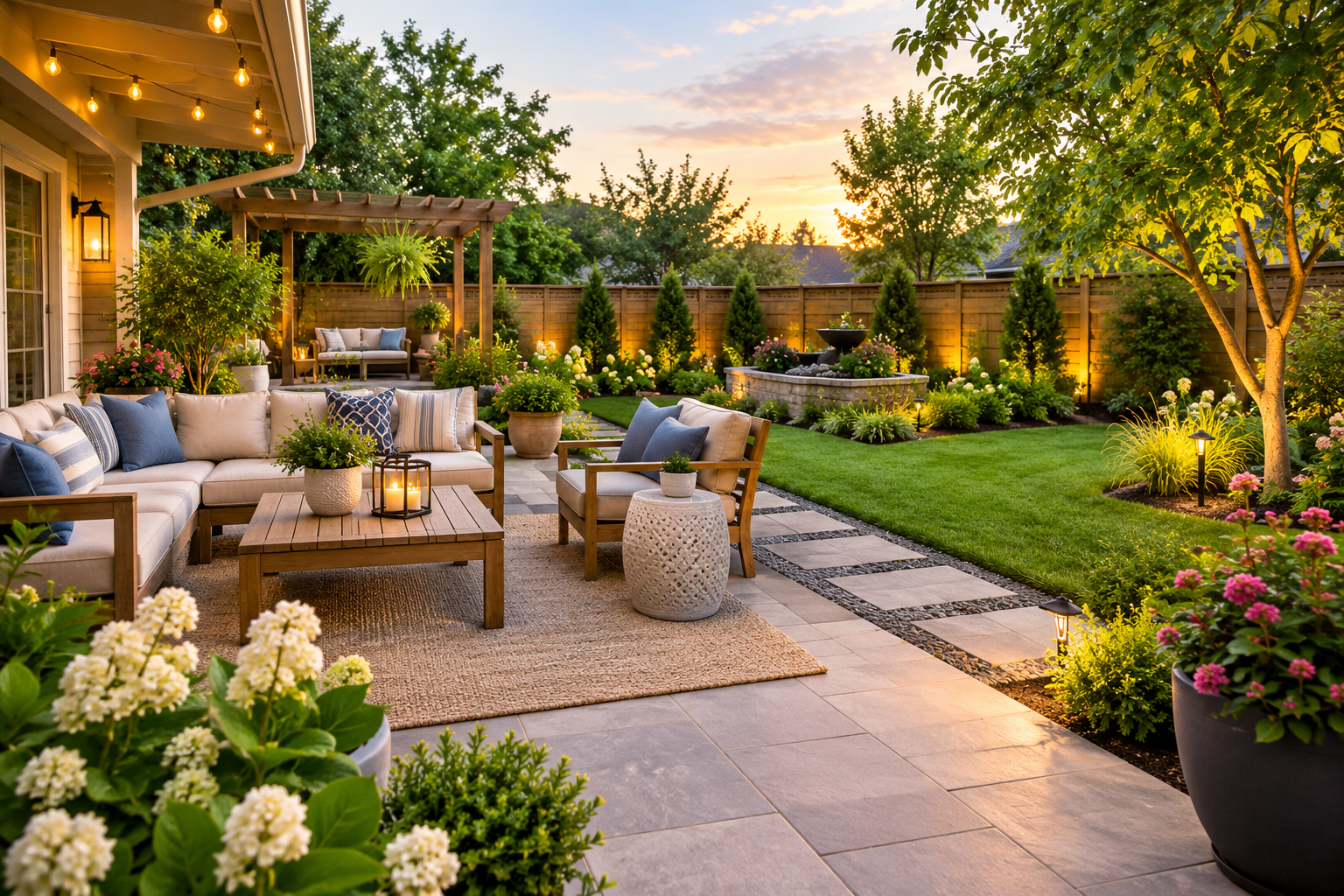
A garden filled with flowering plants, a pretty walkway, nice seating and the right lighting can even transform an ordinary backyard into an inviting one. The aim is to develop the outside space to look stunning without a huge amount of time, effort and cost.
How to Design a Beautiful and Functional Yard?
The key to good garden design is planning. Take a walk through the yard and make a list of what you are looking to buy before buying plants or outdoor accessories. Some homeowners like relaxing gardens which are peaceful, others want open space for children, entertaining visitors, or growing vegetables.
First measure the available space, and then check the direction of the sun’s movement in various locations. Locate areas where water pools, areas exposed to heavy rain, and shaded corners. These will help you choose the right plants, and where to place pathways, seating and decorative elements.
Here are some practical planning steps:
- Decide on a purpose: Determine if your yard is for relaxation, entertaining, gardening, or multiple activities.
- Develop a basic design: Partition the space into functional areas, such as planting beds, seating areas, and open areas.
- Determine an achievable budget: Decorations are not a necessity, so make sure you’re spending money on the more important changes first.
- Assess sunlight: Select plants based on the amount of direct sunlight received at each location.
- Consider time and experience: Choose landscaping elements that are appropriate for your time and skills available for maintenance.
A plan will cut down on wasted expenses and ensure uniformity of design for the yard.
What Plants and Flowers Make a Beautiful Garden?
The choice of plants has a significant impact on the garden’s look, care needs and future health. It is dependent upon the type of climate, soil, water, and amount of sunlight that your yard receives.
Flowering plants will add colour and evergreen shrubs will add structure year round. To create movement, ornamental grasses can be used and to fill in between larger plants, ground-cover plants can be used. Native plants can also be beneficial as they may grow better in local environmental conditions.
When choosing plants, consider the following ideas:
- Mix heights: Mix taller shrubs in the back of planting beds, and shorter flowers in front.
- Combine seasonal colors: Use plants that bloom at different times of the year for interest in the garden throughout the seasons.
- Select appropriate varieties: Select varieties that are appropriate for local weather, soil and sunlight conditions.
- Use native species: If applicable, plant species that benefit native pollinators and do not need special treatment.
- Do not plant too densely: Allow plants enough space to grow up and to provide air circulation.
Clumping plants into zones of the same watering requirement can also simplify garden care. When planning a garden, consider the mature size of each variety to avoid having roots, branches or foliage competing for space.
What Are the Benefits of Landscaping?
Landscaping makes structures and links various sections of an yard. Any changes, no matter how small, can help make an outdoor area seem more organized and spacious. The secret is to use both functional and ornamental design elements without overloading.
There’s a well-defined path that can lead guests through the garden, and a tiny patio for sitting. Raised planting beds can offer better accessibility and flower organization for flowers or herbs or vegetables. Wood, stone, and other natural materials can create texture and enhance the greenery.
Here are some landscaping upgrades to take into account:
- Place simple pathways: Pave or place gravel or stepping stones for connecting important areas.
- Establish focal points: Use a specimen plant, decorative planter or pleasing seating area.
- Take advantage of vertical space: For small yards, use trellises, climbing plants or wall-mounted planters.
- Establish garden boundaries: Set boundaries between lawns and flower beds with garden borders or appropriate edging materials.
Install lawns, patios or permanent structures: Improve drainage before planting lawns, patios, or permanent structures.
Select materials appropriate to the house and its climate. It is best to have a uniformity of texture and color, which results in a harmonious look, rather than too many unrelated styles.
What are The Best Budget-Friendly Yard Decoration Ideas?
Making a chic garden doesn’t need to be a costly job. Cost control and great results can be achieved by reusing appropriate materials, keeping plants alive and finishing improvements over the years.
Start with small changes that will make a quick impact. Clear out paths, mow back weeds, trim overgrown bushes and arrange the existing outdoor furniture. With these simple changes a neglected yard can look much better.
Additional inexpensive suggestions include painting appropriate planters, growing plants from herb cuttings, using local mulch, and establishing small decorative plantings in containers.
There are other cost-saving choices for homeowners to consider:
- Use sturdy containers as planters—make sure they have good drainage.
- Update existing benches or chairs with the appropriate finishes for the weather.
- Plant herbs and specific vegetables in containers for both decorating and use.
- Mulch to aid in water holding and weed control.
- Don’t buy plants all at once, but rather gradually.
Test safety of reused materials and their durability before using them outdoors. Use items that are made for outdoor use and avoid containers previously used for hazardous materials.
What Can You do to Keep Your Yard Healthy All Year Long?
A well-maintained garden will be attractive and problems will be prevented from becoming costly repairs. It is better to perform the same procedure regularly than to wait until plants are overgrown or the outdoor areas are in bad shape.
Water plants as needed, based on specific requirements, soil type and precipitation. Deep watering when needed promotes deep root growth, and watering in the morning will minimize evaporation. Be careful not to over water, though, as water logged soil can harm the roots.
Pruning should also be done on the basis of requirements of every plant. Train the growth by removing dead or damaged growth, remove fallen leaves as needed and watch plants for pests and disease. Fertilize only when necessary and be careful not to over-fertilize or pollute local waterways, following the instructions on the fertilizer label.
Basic maintenance may involve:
- Weekly: Monitor plants, remove visibly emerged weeds and check soil moisture.
- Monthly: Check irrigation systems, clean outdoor furniture and check plant growth.
- Seasonally: Refresh mulch, cut back on appropriate plants, and prepare yard for seasonal changes.
Address drainage problems, remove diseased plants and fix up broken paths as necessary.
This is a suggested schedule for an average garden, and can be modified to fit your climate and garden type. Hot and dry plants may require more frequent monitoring than plants in established gardens in cooler or wetter areas.
What is it About Outdoor Lighting that Makes Your Yard More Inviting?
The lighting of a yard enhances its appearance and makes it easier to use after dark. It can accentuate desirable plants, light up walking paths, and facilitate seating arrangements for later night time meetings.
Pathway lights are solar-powered for sunny spots and wall lights are weather-proof for entryways and patios. Lighting accents can highlight trees or architectural features without dominating the garden.
Focus on moving about safely on steps, doorways and uneven surfaces. Use outdoor-rated equipment, follow instructions for installation, and do not shine bright lights on yourself at neighboring homes or wildlife habitats.
Use lighting judiciously for a balanced look. Incorporating some well-placed fixtures can make a more welcoming garden than providing uniform lighting throughout.
Conclusion
Practical planning, selection of plants, landscaping, inexpensive decoration and maintenance are the best Decadgarden yard tips provided by DecoratorAdvice. These principles are useful for a homeowner to use in creating attractive and useful outdoor areas.
Planning a garden from the ground up will create a garden space that fits into your home and lifestyle, selecting plants that will do well in your area and slowly improving the space. If you are looking to spruce up your small backyard or revamp your larger yard, a balanced design can help you have a beautiful yard all year long.