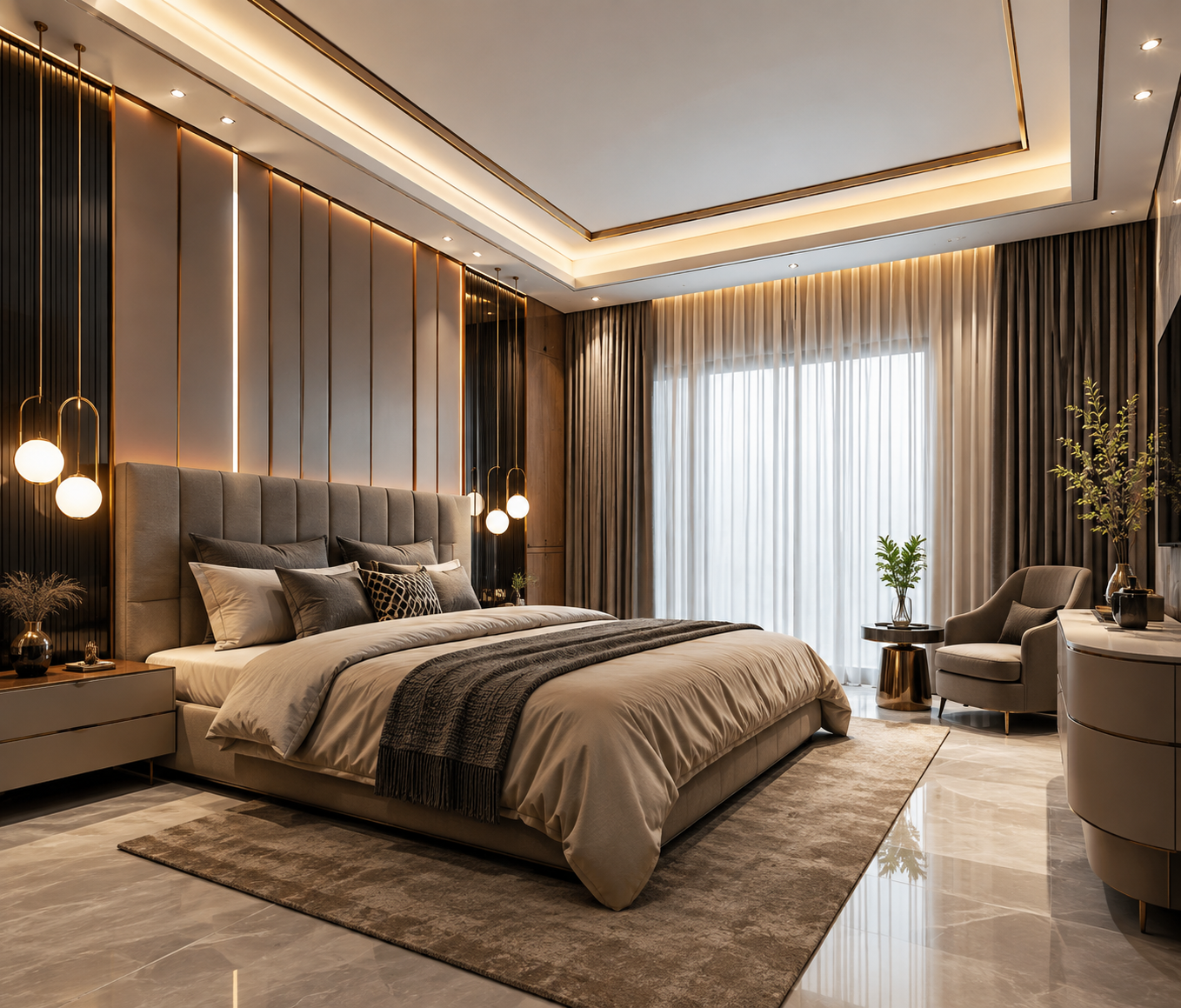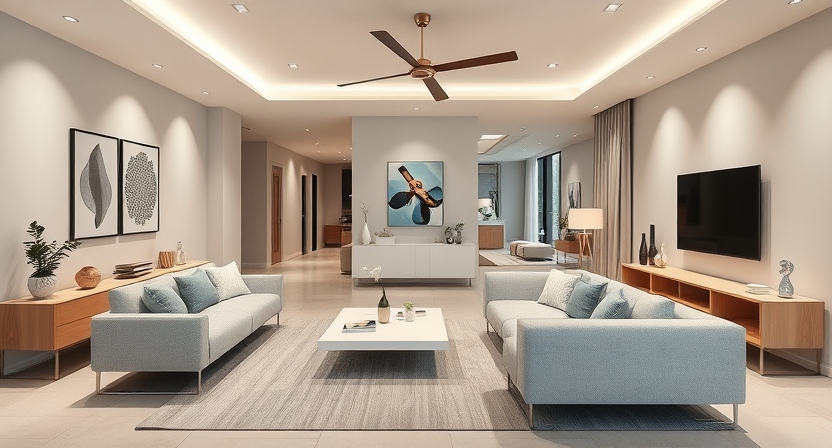
The living room is a more than just room to sit and entertain. Nowadays, it is a versatile room for relaxation, work, socializing and enjoying the company of relatives. The lifestyle changes are also impacting the living room design. People want to have comfort, functionality, personality and visual appeal in their home’s interior.
The trends of the times are all about making homey rather than overstuffed rooms in a warm and natural way, with flexible furniture and thoughtful lighting. It is important to know which designs are popular in interior design and to create an interior that is both stylish and useful, for both new and old interior design projects.
What is Happening to Living Room Design?
People today are using their homes in a different way, due to their modern lifestyle. Today’s homeowners are reimagining the traditional home because of open spaces, telecommuting, living in smaller urban dwellings, and prioritizing health and wellness.
Rather than sticking to one specific style, contemporary interior design increasingly is a blend of various components to create an individualized interior. Appearance is equally important as is practicality; storage, lighting, seating and room layout are significant.
A few of the modern trends that impact today’s living rooms are:
- Natural textures and materials.
- Calm and neutral color schemes
- Multifunctional furniture
- Layered lighting
- Sustainable décor choices
- Furniture with curves and gentler shapes
- Personalized decorative elements
- Warm and Earthy Color Palettes
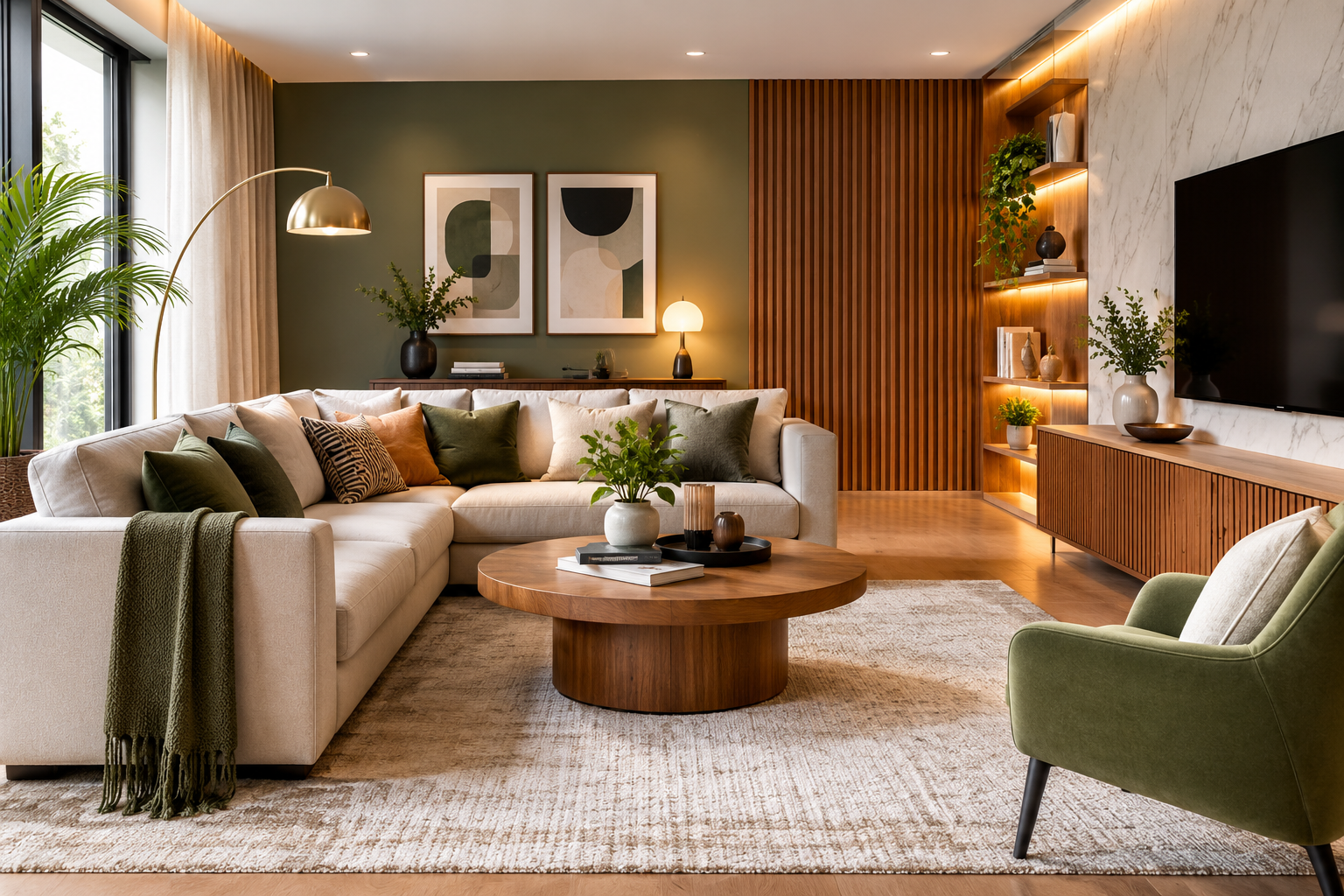
A prominent trend in the design of a modern living room is the use of natural hues like orange, brown, and beige. In addition to all bright whites and cool neutrals, homeowners are turning to a range of different colours including beige, terracotta, olive green, warm brown, cream and muted clay.
Such hues can create a relaxing atmosphere in a space, adding a flexible backdrop to furniture and decor. Neutral walls can be accented with bright colors by incorporating accents through cushions, artworks, rugs or decorative accents.
The objective isn’t to make the space 100% neutral, but rather to find a well-balanced color scheme that feels soothing and classic.
Natural Materials Bring Warmth Indoors
Today, natural materials remain a significant part of modern interior design. A space can be made more warm and interesting with the use of various tactile materials such as wood, stone, rattan, linen, cotton, and more.
To avoid a neutral room becoming flat or sterile, consider sewing wooden coffee tables, weaving baskets, hanging linen curtains, using textured upholstery and stone finishes.
Another benefit of natural textures is that they are very versatile. They can be used as part of a minimalist, modern, rustic, Scandinavian, and transitional interior, and they are great for homeowners looking for a design that will transition over time.
Multifunctional Furniture for Flexible Spaces
Homes are becoming more multi-purpose, particularly in terms of the living room. One room could be the living room in the evening, the office in the day, and the reading room at the weekend!
This has led to a rise in the demand for multifunctional furniture. Storage ottomans, modular sofas, nesting tables, extendable furniture, and compact workstations can be used to maximize space utilization.
It is especially crucial to select furniture for smaller homes. Homeowners can use flexible products that offer multiple functions without cluttering the room, rather than large individual products to fill the room.
Shapes That Are Curved and Softer Shapes
Traditionally, a modern interior has been dominated by straight lines, but softer lines are now gaining popularity. Round, curved sofas, rounded coffee tables, round mirrors, and rounded decorative features can add to the more relaxed look.
Curved furniture can also help to create a natural sense of movement in a space. These shapes, paired with softer materials and warm hues, can bring a sense of fluidity to modern living spaces.
Curves, however, are best used when paired with some structured elements. Rounded furniture and clean lines of architecture can provide a sophisticated and harmonious look.
Use Multiple Lighting Sources to Create Atmosphere
Proper lighting is crucial to good living room design. Modern interiors are typically far from lacking in light, opting instead for layering.
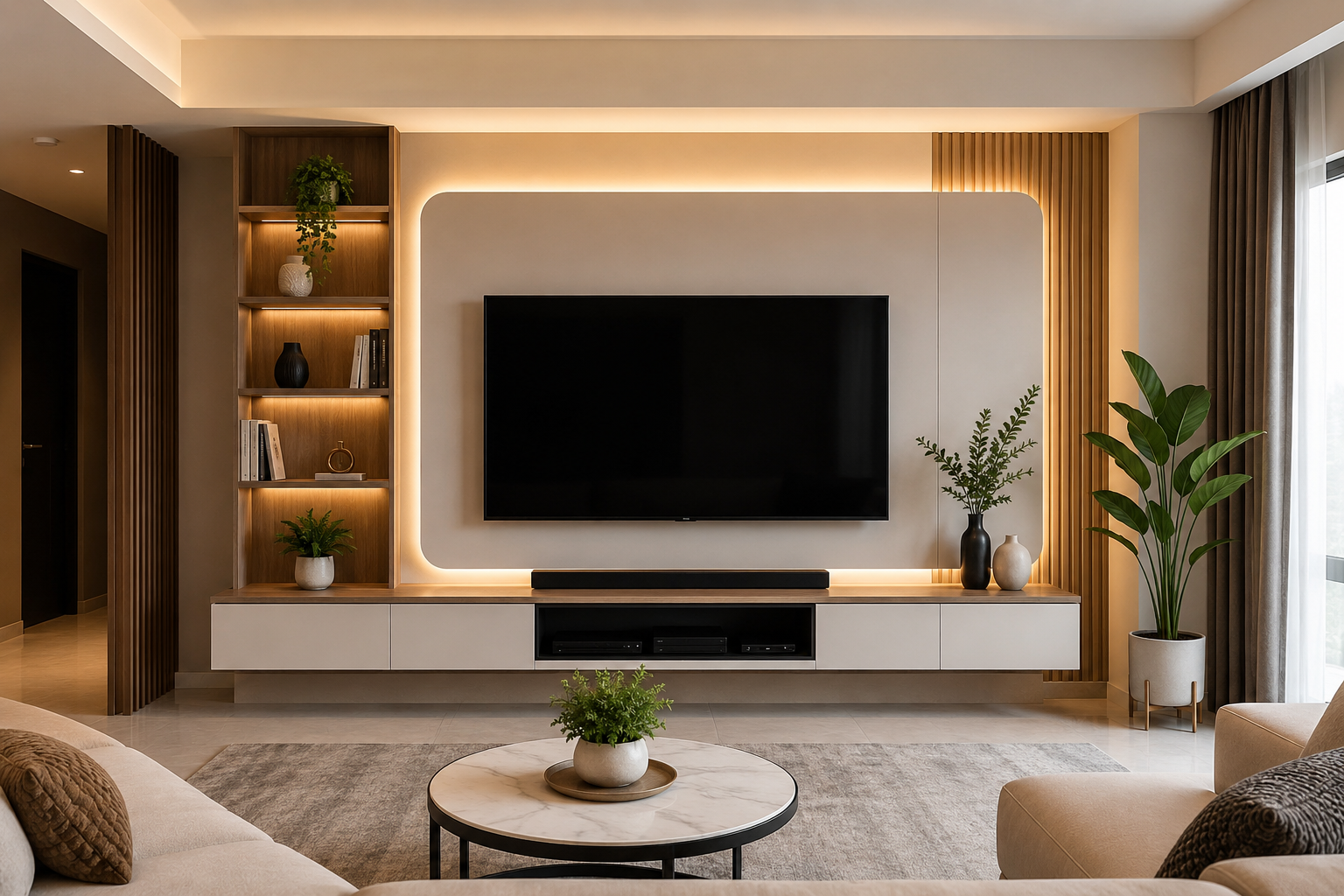
Ambient lighting serves as general lighting while task lighting is used for activities like reading, working, etc. Accent lighting can be used to draw attention to artwork, architecture or decorative items, or to shelves.
Different types of floor lamps, table lamps, wall lights, pendant light fixtures, and even hidden LED lights can help create a more flexible space. Other flexibility can be achieved with dimmers and smart lighting controls that give homeowners the option to vary the lighting throughout the day.
Biophilic Design and Indoor Greenery
Incorporating nature into the design of your home is still something that many people are doing today. Indoor plants can add color and texture, and make a connection to the natural world.
Use of large statement plants can be the focal point while smaller plants may be arranged on shelves, side tables, or window spaces. Wooden finishes, natural light, organic textures and artwork inspired by nature can further reinforce this design approach.
The secret: selecting plants and materials that will thrive in the lighting and maintenance needs of the room, and not just to create a decorative touch.
Eco-Conscious and Conscious Design Selections
However, sustainability is also joining the discussion on contemporary interior design. Homeowners now expect products to last longer, as they look for a product that will not be fads or trends.
Character can be added to vintage furniture, reclaimed wood, responsibly sourced materials, second-hand décor, and long-lasting upholstery, which can help to minimize the number of replacement items that need to be kept in rotation.
A living room doesn’t need to be plain, to be sustainable. Good use of furniture and accessories can make a distinctive interior, while promoting responsible consumption.
Personalization Is Becoming More Important
One of the most powerful living room trends of the recent times is to personalize. Rather than copying a showroom or a picture from social media, homeowners are including objects that are reflective of their interests, experiences and lifestyle.
Photographs, travel souvenirs, books, artwork, handmade items and inherited furniture can help to provide a sense of identity to a living room.
Personalization also adds a sense of authenticity to a room. A well designed space should be attractive and it should also function naturally for the people who inhabit it.
Smart Technology With a Subtle Approach
Today’s homes are increasingly becoming technologically-enabled but many homeowners want something that won’t take over the entire decor. Convenience lighting, automated blinds, wireless speakers, streaming devices and hidden charging stations can enhance convenience without being distracting.
One of the most helpful features of cable management systems will be the ability to conceal cables, making the area tidier and cleaner-looking. The optimal design for a living room with technology would be one that is both functional and straightforward.
Creating a Balanced Modern Living Room
While it can be inspired by following trends, a successful living room will be designed in accordance with their daily use. The first thing you need to think about is how you plan to use the room, the amount of natural light that it will get, what furniture is necessary etc.
Before buying decorative items, decide on a functional design. Use colour to create a cohesive colour palette, add varying textures and play with lighting to create depth. Last, add personal touches one at a time and not all at once.
Final Thoughts
The newest living room design fashions are embracing cozy, adaptable, natural and personal spaces. Modem homes can be created with earthy colors, organic materials, multifunctional furniture, layered lighting, indoor greenery, curved forms, and subtle technology.
Just as homeowners should not follow trends as rules, they can follow the trends as inspiration. Today’s most successful living rooms balance design with utility, to provide comfortable environments that are individualized while being flexible and future friendly.